
Wood Technology and Manufacturing
THINK ABOUT WOOD, CREATE WITH TECHNOLOGY

Qualification to be obtained:
Woodworking Technologist
(diploma of short-cycle professional higher education)

Programme license granted:
from 15 September 2025

Duration of study:
full-time: 2.5 years
part-time: 3 years

Requirements for prior education:
secondary education

Tuition:
available budget places;
700 EUR/semester (full-time) or 650 EUR/semester (part-time)

Scholarship:
140 EUR/ month (full-time study programme)

Credits:
150 ECTS

Study programme contact person: Vilnis Jakovļevs,
email: vilnis.jakovlevs@malnavaskoledza.lv
phone: +371 26146243

application (form);
copies of the diploma certifying secondary or vocational secondary education and a transcript of grades;
copies of certificates for the centralized exams in the subjects specified for the particular undergraduate programme;
for graduates of minority schools—a copy of a certificate of proficiency in the state language at least at Level 2;
(if the surname has been changed) a copy of a document confirming the change of surname;
(if applicable) a document certifying that the person voluntarily enlisted in the national defence service and completed it;
(if applicable) documents certifying social status (a copy of an orphan’s certificate, a statement regarding low-income family status).
1.General Course Module (33 ECTS)
Objective: To provide students with the interdisciplinary knowledge and skills necessary for modern and innovative entrepreneurship in the wood industry, emphasizing the principles of sustainable management, the application of digital technologies, effective communication, and a safe work environment. The module develops the ability to analyse economic processes, plan investments, apply design thinking, and communicate professionally in a foreign language, thereby enhancing graduates’ competitiveness in the job market and fostering the student’s overall personal development.
Courses:
• Environmental Protection and Civil Defence – 3 ECTS;
• Organization of Business Activities– 4 ECTS;
• Design Thinking and Innovations in the Woodworking Industry – 3 ECTS;
• Economic Activity and Investment Analysis in the Wood Processing Industry – 4 ECTS;
• Business Communication – 3 ECTS;
• Digital And Communication Technologies – 3 ECTS;
• Applied Science in Wood Processing – 4 ECTS;
• Professional Foreign Language (English) – 6 ECTS.
2. Wood Materials (15 ECTS)
Objective: To provide students with a basic understanding of wood materials, their properties, quality indicators, and suitability for various applications in the wood industry. The module develops an understanding of wood structure and physical-mechanical properties, market requirements for sawn and planed lumber, as well as the application of composite materials and wood-based panels. The objective is to equip students with the ability to make informed choices and evaluate wood materials based on their function, quality, and specific operational requirements across various woodworking sectors.
Courses:
• Roundwood Assortments and Tree Species – 5 ECTS;
• Sawn Timber and Planed Materials – 3 ECTS;
• Composite Materials and Wood-based Panels – ECTS.
3. Production equipment in the wood industry (16 ECTS)
Objective: To develop students’ in-depth knowledge and practical skills in woodworking technological processes, with an emphasis on the theory of wood cutting, the selection and application of cutting tools, the operation and safe use of woodworking equipment, as well as the integration of CNC technology into production automation. The module fosters students’ ability to independently make informed technological decisions, optimize production processes, and work safely in a modern woodworking environment.
Courses:
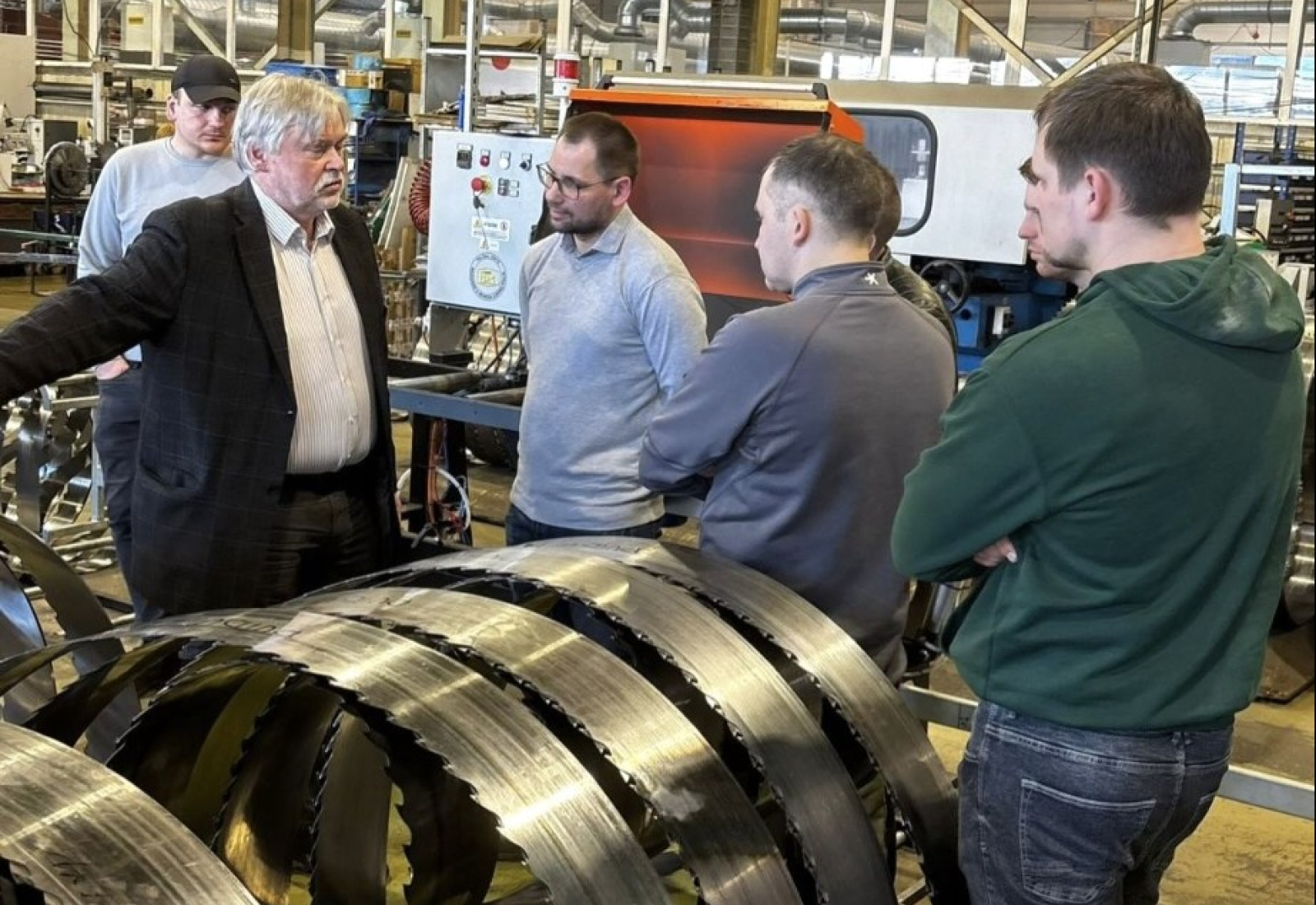
• Cutting Tools in Woodworking – 3 ECTS;
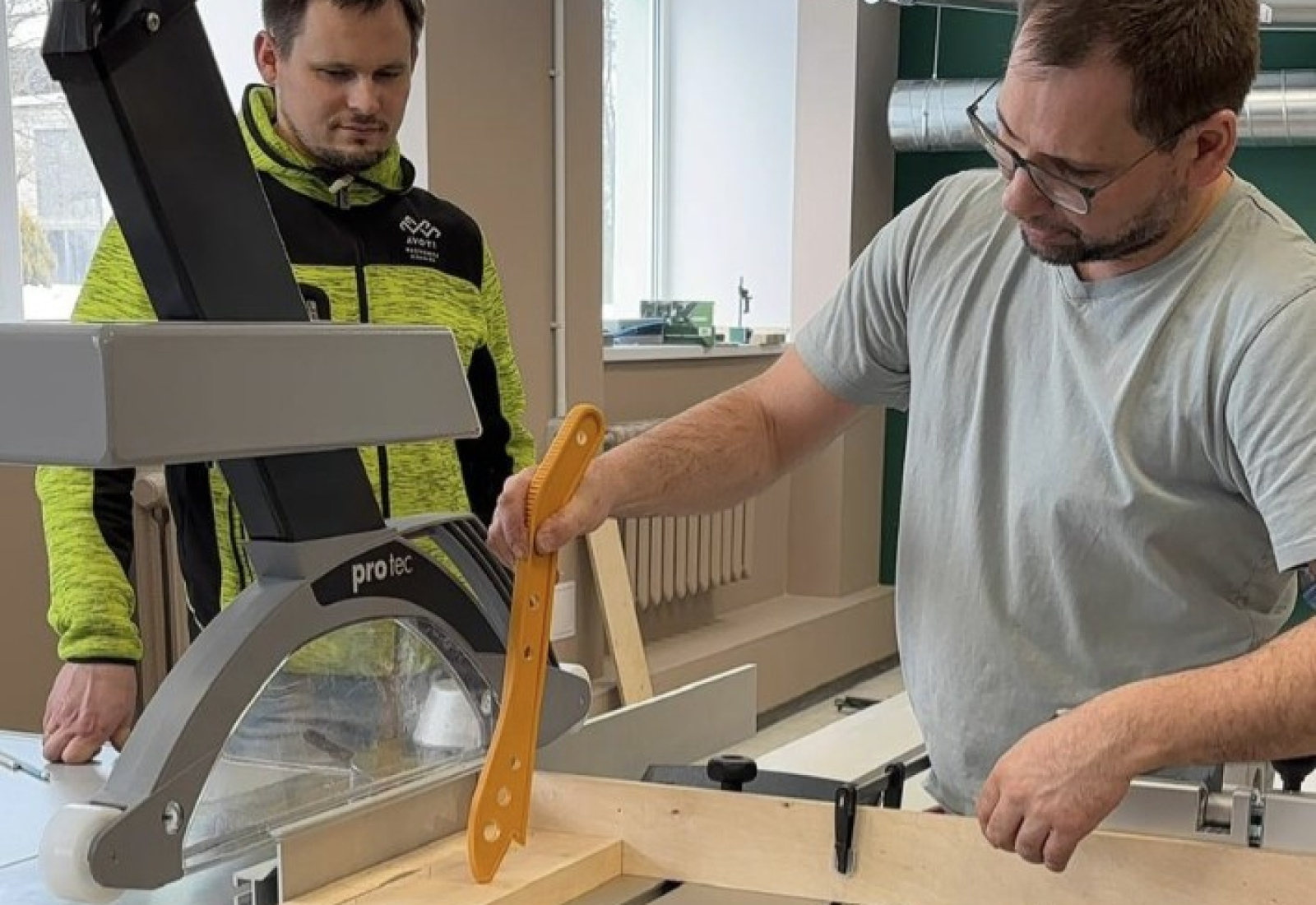
• Individual Processing Equipment and Its Component – 4 ECTS;
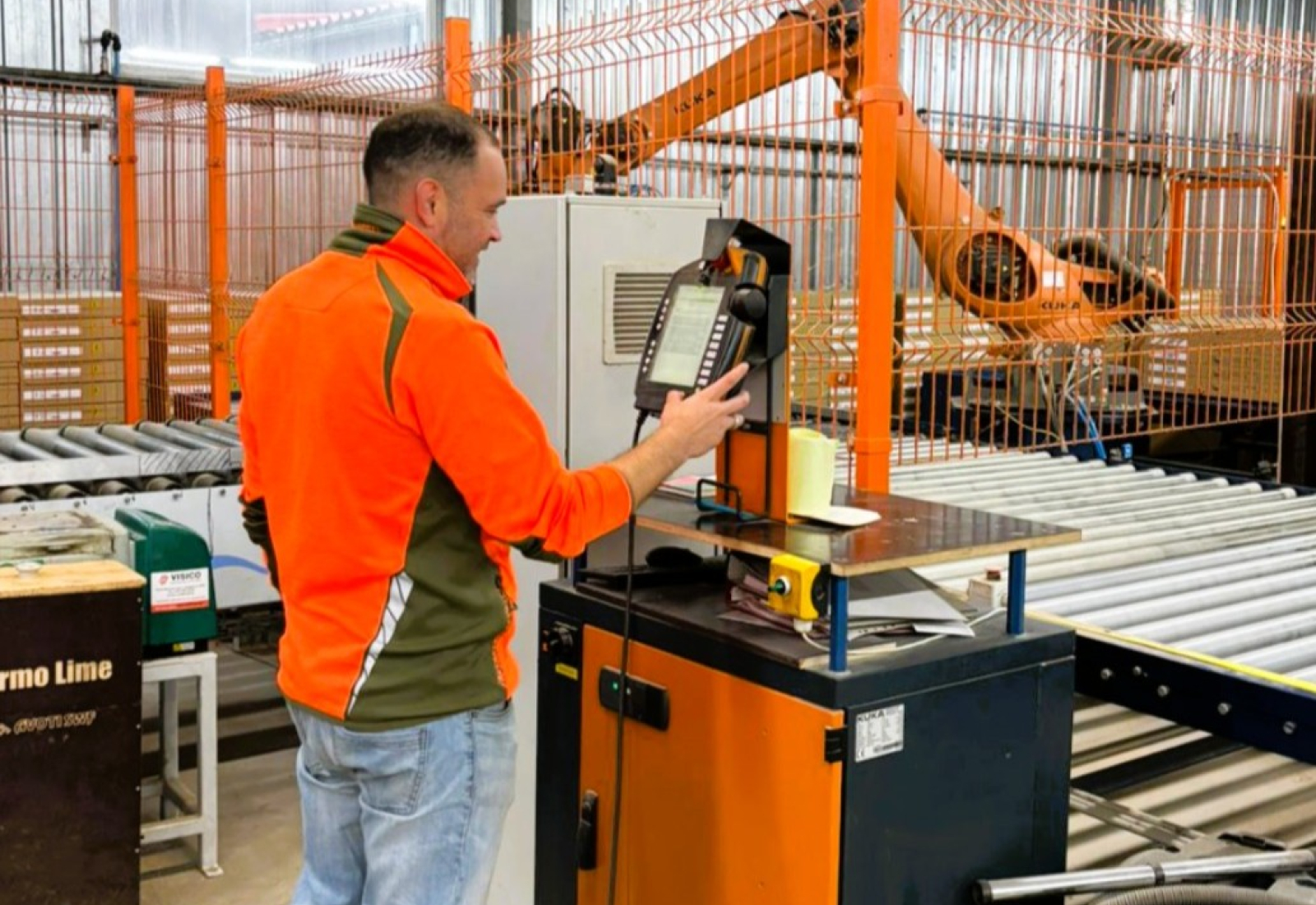
• Computer-controlled Equipment and Their Components – 5 ECTS;
• Mass Production Equipment – 4 ECTS.
- Santa Krilovska, email: santa.krilovska@malnavaskoledza.lv
Professional Foreign Language (English)
- Karīne Laganovska, email: karine.laganovska@malnavaskoledza.lv
Professional Foreign Language (German)
- Daina Znotiņa, email: daina.znotina@malnavaskoledza.lv
Business Communication
- Aleksejs Zorins, email: aleksejs.zorins@rtu.lv
Digital And Communication Technologies
- Andris Skromulis, email: andris.skromulis@malnavaskoledza.lv
Environmental Protection and Civil Defence
- Jānis Magaznieks, email: janis.magaznieks@malnavaskoledza.lv
Roundwood Assortments and Tree Species
Uldis Spulle, email: uldis.spulle@malnavaskoledza.lv
Composite Materials and Wood-based Panels,
Practice on wood materials and equipment- Vilnis Jakovļevs, email: vilnis.jakovlevs@malnavaskoledza.lv
Sawn Timber and Planed Materials,
Cutting Tools in Woodworking,
Individual Processing Equipment and Its Component,
Computer-controlled Equipment and Their Components,
Mass Production Equipment
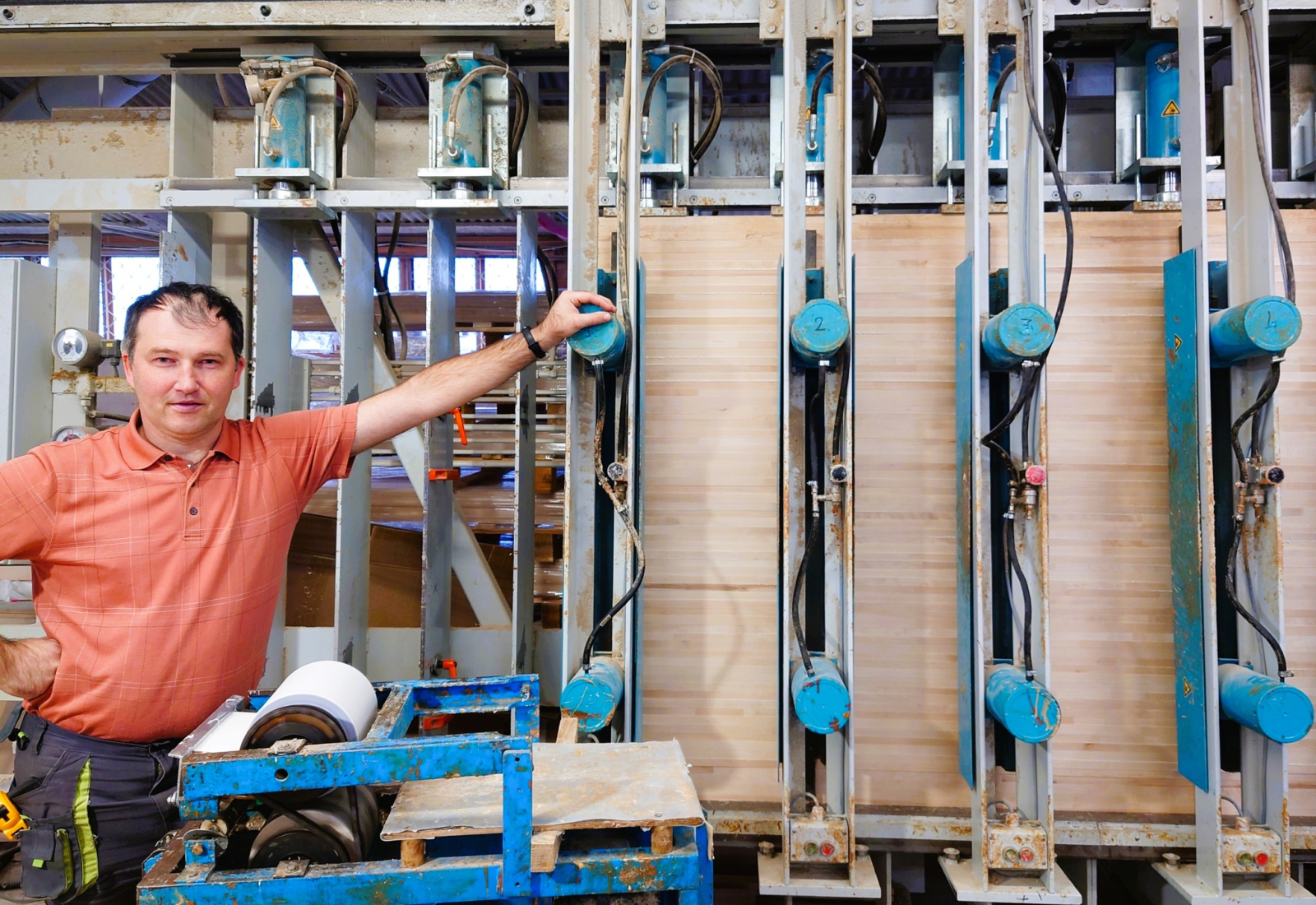
The internships in the study programme Wood Technology and Manufacturing are structured sequentially, ensuring that the first internship provides students with the opportunity to familiarize themselves with the industry and the materials used in it, the second internship is dedicated to woodworking equipment and working with it, while the third internship focuses on the development, planning, and evaluation of technologies. Concurrently, these internships serve as a means of gathering data for the student’s thesis – qualification paper.
Internships included in the study programme:
1. Practical training on wood materials and the manufacturing environment (4 weeks):
• the goal of the internship is to gain practical insight into manufacturing, production processes, and the use of materials by performing hands-on tasks in a manufacturing environment;
• internship duration – 1st semester, full-time studies, 2nd semester, part-time studies.
2. Internship in wood materials and processing equipment (4 weeks):
• the goal of the internship is to gain practical knowledge, skills, and competencies in woodworking production processes, the use of materials, and technological processing, while reinforcing theoretical knowledge through hands-on work in a production environment;
• internship duration – 2nd semester, full-time studies, 3rd semester, part-time studies.
3. Internship in manufacturing processes (8 weeks):
objective of the internship: to consolidate and integrate theoretical, practical, and general knowledge by learning to implement manufacturing processes in a real-world environment, developing skills to collect, analyse, and evaluate data on products and technologies, as well as to develop economically sound or otherwise justified proposals for improvement;
internship duration – 5th semester, full-time studies, 6th semester, part-time studies.
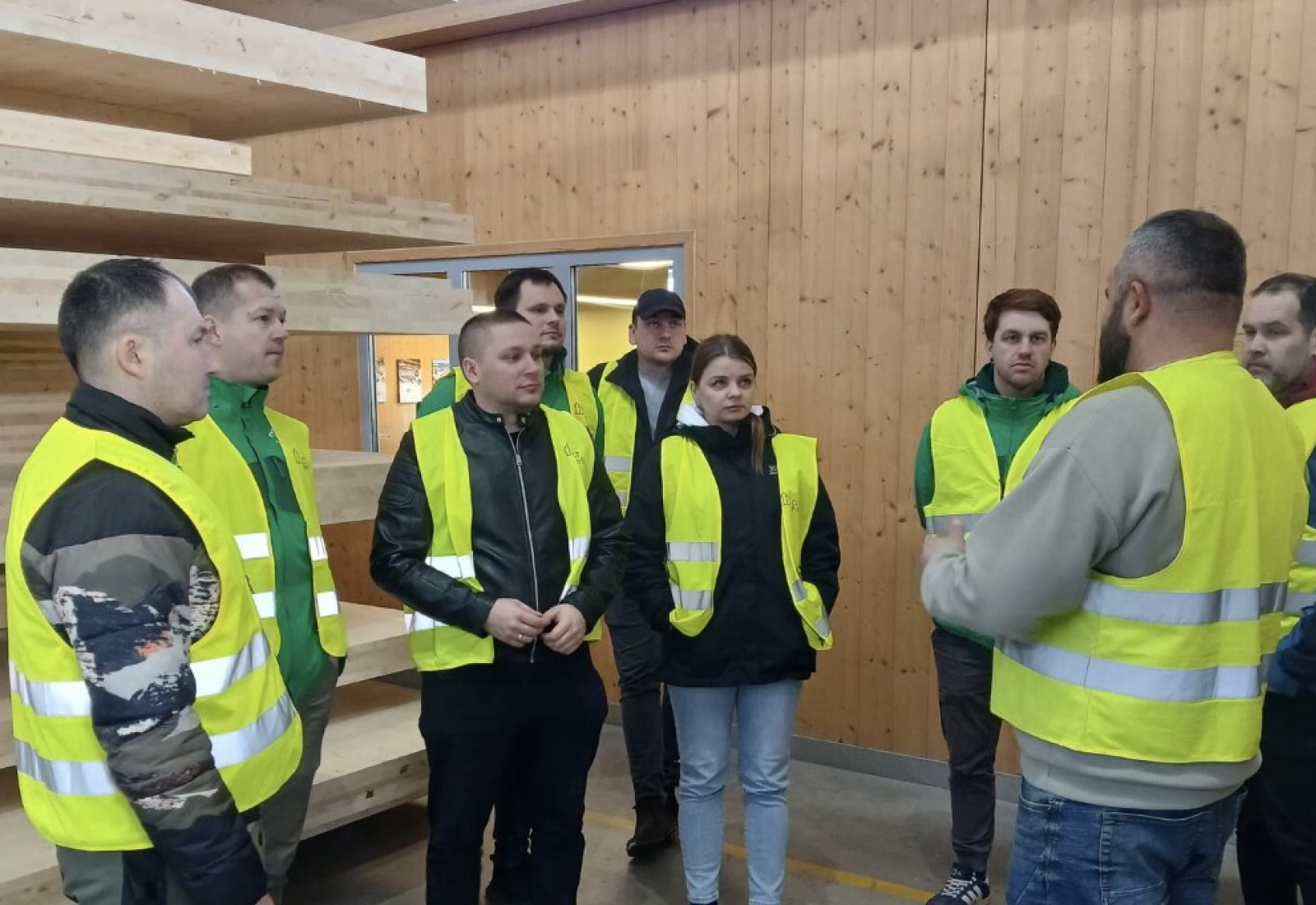
Our network of internship partners covers the entire territory of Latvia, as we work closely with the Wood Industry Federation, which brings together eight industry associations. This provides students with the opportunity to undertake internships at more than 50 companies. We have established particularly close cooperation with the nearest companies—RSEZ Verems and SIA Avoti.
A well-equipped dormitory and gym.
Opportunities to participate in projects.
Opportunities to get involved in student government.
Opportunities to participate in ERASMUS+ mobility programmes in various European countries.
Qualified woodworking technologists will be trained to manage the day-to-day production process at a woodworking company or its department, to ensure, in accordance with the unit’s objectives and regulatory requirements, the efficient and rational production of products of the required quality in the necessary quantities; they will participate in the development of business plans, analyse resource utilization and equipment operating costs, as well as prepare and implement proposals for improving resource utilization and product quality, increasing production efficiency, and technical modernization in the field of mechanical wood processing.
Thus, the study programme provides a set of knowledge, skills, and competencies that enables students to obtain the relevant qualifications and develops their ability to respond flexibly while remaining competitive in changing socioeconomic conditions.